

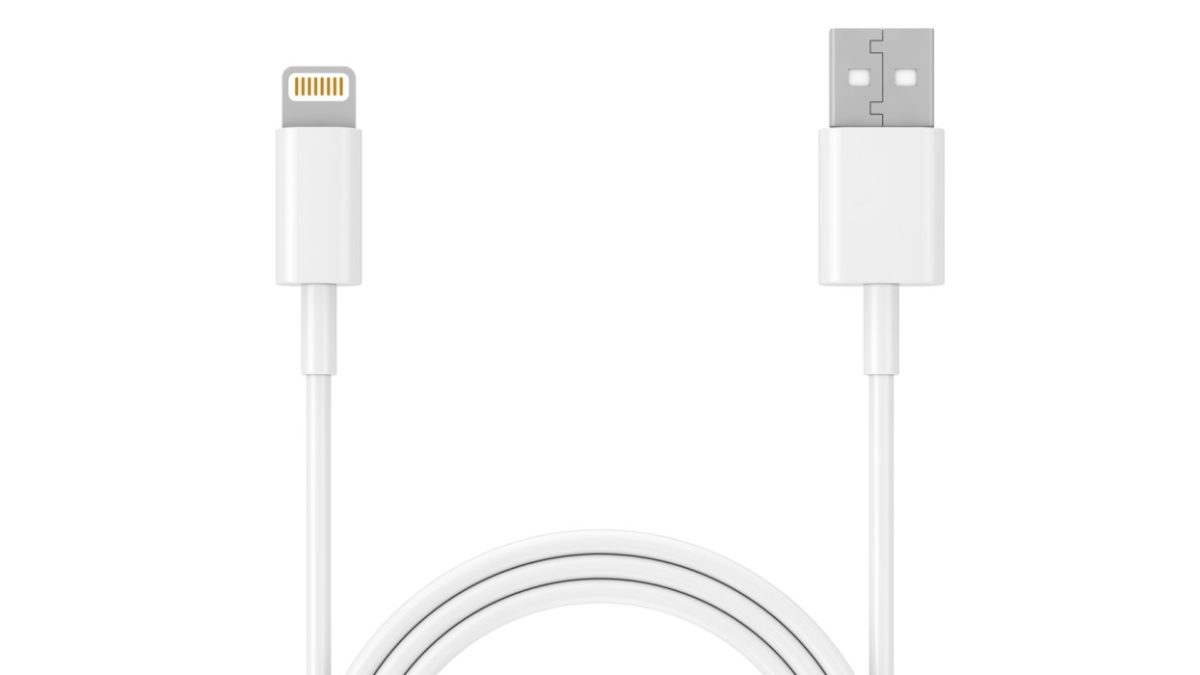
I remember one evening when my phone was balanced on the edge of a kitchen counter, charging from a wall brick while I tried to copy a few video clips to a portable SSD. The battery was low, dinner was almost ready and I kept swapping the same cable back and forth like I was solving a tiny puzzle. That was the moment this idea really stuck with me. I wanted two USB-C ports on my phone and I wanted them badly.
The thing is, phones already do so much more than they used to. You use them as cameras, game systems, navigation screens, audio recorders and little editing stations. I do all of that in bursts, often in awkward places like an airport gate or the passenger seat of a car. A single port can feel very small when one device is carrying that much of your day.
I admit I used to think this was a slightly nerdy wish. Then real life kept proving me wrong. I’d plug in a controller, then realize I needed to charge. I’d connect a tiny microphone for a voice note, then watch the battery percentage make me nervous. I’d even use my phone on a stand beside my laptop and wish the cable could enter from a different side so my hand had some room to breathe.
After one of those desk sessions, I ended up reading the USB-IF’s Type-C overview, which explains in plain engineering terms why USB-C has become such a flexible connector. It carries power and data, supports alternate modes and uses a compact reversible design. Once you understand what this small port already does, the idea of giving a phone one more of them starts to feel very practical.
USB-C also fits modern habits. Many of us carry one cable type for several gadgets and we expect that same cable to charge a phone, connect storage, or run audio accessories. The connector itself is designed for heavy everyday use, which helps explain why it has become the center of so many mobile workflows. A second one could give all that flexibility some breathing room.
So this is the case I keep making in my head every time a cable gets in the way. I’m not dreaming about a wild sci-fi phone. I’m thinking about a phone that feels easier to live with. If you’ve ever reached for a dongle, moved a charger for comfort, or stopped using an accessory because the battery was too low, you may have had the same thought without putting words to it.
1. Charging Could Happen Without Blocking Your Accessory
The biggest win would show up right away. A second port would let you charge your phone while still using whatever accessory you actually care about in that moment. For me, that means a portable SSD during file transfers, a DAC when I want wired audio, or a controller on a long trip. One port could stay busy with power and the other could stay open for the thing that makes the phone more useful.
I remember sitting on a train with a game clipped to my phone, battery slipping lower than I liked and a controller cable already taking the only port. That kind of setup feels fine for twenty minutes, then your brain starts doing math. Should you keep playing? Should you unplug and charge? Should you stop altogether? A second port would turn that annoying little negotiation into a smooth routine.
From a hardware perspective, this makes a lot of sense. USB-C was built to handle more than charging alone. The connector supports data transfer and power delivery through the same compact shape, which is why one cable can serve such different roles. That versatility is exactly what creates the bottleneck on today’s phones. The single connector becomes a tiny traffic jam.
There’s also a comfort angle here that people underestimate. I often use my phone while it’s charging, especially when I’m waiting for files to upload or trying to finish a podcast queue before leaving home. If one port handled charging and a second handled headphones or storage, the whole device would feel calmer to use. You would spend less time planning around a connector and more time doing the task.
Sometimes the simplest improvements are the ones you feel in your shoulders and hands. A phone with separate charging access would reduce that low-grade friction that builds up over a week. You would keep an accessory connected longer. You would be more willing to use external tools. You might even stop carrying extra adapters for basic jobs.
2. The Phone Would Fit Real Life More Naturally
My favorite thing about this idea is how ordinary it is. You don’t need a studio or a lab to appreciate it. You just need a couch, a car mount, or a bedside table where the cable always seems to bend the wrong way. One more port on another edge of the phone could make daily charging feel much more natural, especially for people who use stands or grips.
I notice this most at my desk. Some days my phone sits to the left of my keyboard for music controls and message replies. Other days it sits upright on a stand for video calls or recipe videos while I work nearby. The cable entry point changes everything. When the plug sticks out toward my hand, the whole setup feels clumsy. If a second port lived on another edge, I could choose the cleaner route and leave the screen easy to reach.
USB-C helps here because the connector itself is physically well suited to frequent use. It is compact, reversible and built for repeated insertions. That matters more than it sounds. A durable connector invites everyday convenience. It supports the kind of little habits people build around their devices, like plugging in at a desk several times a day or connecting the phone to a car without looking down.
There was a time when I thought cable direction was a minor complaint. Then I spent a week using my phone while cooking, charging and checking a shopping list with one messy cable pushing against the counter edge. It sounds silly until you live with it. A tiny hardware choice can shape whether a device feels graceful or awkward. Phones are so refined now that these details stand out more.
Another part of this is accessibility and simple comfort. Everyone holds and places a phone a little differently. Some people use a stand. Some keep it flat on a table. Some charge from a battery pack in a bag or coat pocket. Port placement changes how easy that feels. A dual-port design would offer more freedom without asking users to learn anything new.
That is why I keep coming back to the phrase real life usability. People do not experience hardware as a spec sheet. They experience it in kitchens, cars, airports and crowded coffee shops. A second USB-C port would meet people where they already are, which is often the smartest kind of tech upgrade.
3. Mobile Creators Would Get A Much Better Workaround-Free Setup
If you shoot photos, record audio, or edit clips on your phone, you already know how quickly accessories pile up. A phone can become a creative tool in seconds, but the setup often gets held together by compromises. You connect a microphone and watch the battery. You attach storage and hope the transfer finishes before the charge drops too much. You plug into a display and start making trade-offs.
I’ve had this happen with simple projects. A friend asked me to trim a short video and send it over before a meeting. I had the clips on my phone, a little SSD in my bag and enough battery to feel mildly stressed. That was a very modern kind of inconvenience. The phone had the power to do the job, but the single port turned every step into a choice.
Technically, USB-C is ready for much richer mobile work than many people realize. The same connector family can support faster data standards and alternate modes for displays or other functions, depending on how the device maker implements it. That is why phones can connect to storage, docks, cameras and sometimes external screens. The bottleneck is often convenience, not raw possibility.
Years ago, I thought creators who carried hubs were just more organized than I was. Now I think they are adapting to a design limit. A tiny hub can save the day and I’ve used plenty of them, but it changes the feel of the phone immediately. Your sleek pocket computer becomes a little cluster of cables. That is fine at a hotel desk. It feels much worse on a park bench or train seat.
A second port would create a cleaner mobile workflow. One side could handle charging. The other could take storage, a mic receiver, or a display cable. The result would be easier cable management, more stable handheld use and fewer accessories hanging from one point. That is valuable whether you are a full-time creator or simply the person in the family who always ends up recording the school concert.
4. Phone Makers Could Add Convenience Without Making You Carry A Hub
I like tiny gadgets more than I should. I have a pouch with short cables, adapters and compact hubs that promise to solve every problem. They do help and I still carry some of them, but I notice how often they exist to patch one missing convenience in the phone itself. When a problem shows up every day, built-in hardware usually beats an extra accessory.
My breaking point came during a trip when I wanted to charge my phone from a power bank and move files at the same time. I had a little hub with me and technically it worked. In practice, the setup dangled, shifted and turned a quick task into a careful balancing act on a small café table. I got the transfer done, but the whole thing felt fragile. A second port would have made that moment simple.
There’s an educational point here too. Every extra adapter introduces one more thing to remember, lose, or replace. For many users, that complexity is enough to stop them from using wired accessories at all. A phone with built-in flexibility would encourage people to plug in external storage, use better microphones, or keep a wired pair of headphones around without the usual hassle.
Manufacturers already make design choices around convenience all the time. They change button placement, tweak camera bumps and reshape speakers to fit how people hold the device. Adding another USB-C port would belong in that same category. It would be a decision about daily ease and daily ease is what people end up loving long after launch day.
I can already hear the arguments about cost, space and water resistance and those are fair engineering questions. Phone design always involves trade-offs. Still, the payoff here feels unusually clear because the gain shows up in so many situations. Charging while gaming. Charging while recording. Charging while using external storage. Charging while the phone rests on a stand in the one position that actually feels good.
But honestly, the biggest reason I keep wishing for this is emotional. Good tech fades into the background and lets you move through your day with less friction. A phone with dual USB-C convenience would do that in a hundred little moments. You would feel it at your desk, in your car and in that last hour before bed when your battery is low and your phone is still doing one more job for you. That is the kind of upgrade I would notice every single day and I suspect you would too.